The Island's Story
1896 — an engineer's gift.
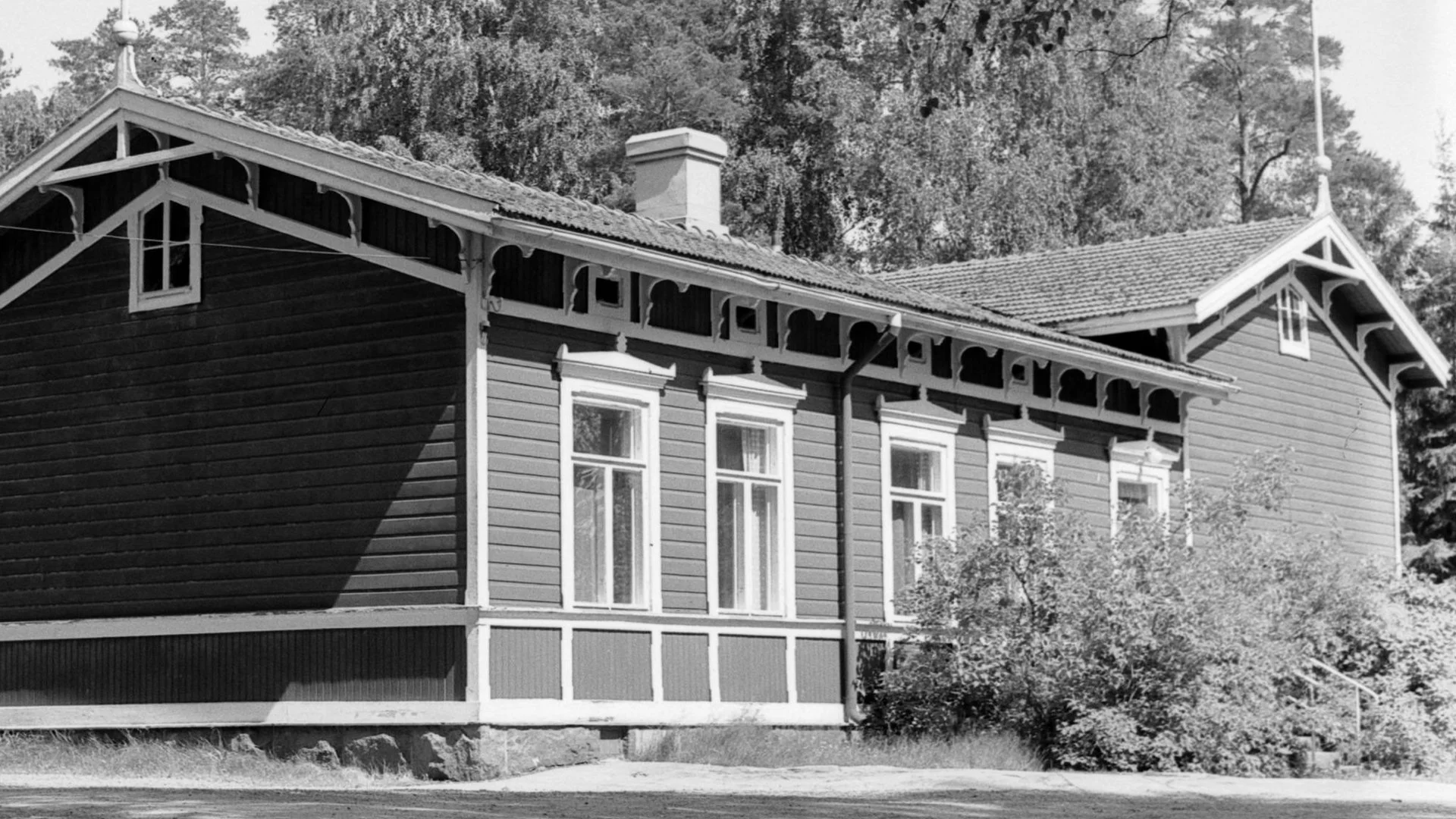
In 1896, an engineer named Edvin Bergroth gave this island to be a school. For more than a century children were taught here. The wooden chapel stands where they prayed. The 1890s buildings stand where they studied. What comes next is built on what is already here. Not replacing it. Continuing it.
Gateway to Suvisaaristo
Matasaari sits in the Espoo archipelago, in the parish of Soukka, on the edge of Suvisaaristo. A Swedish-language folk school operated here from 1895 to 1964; after the school closed, the Espoo Swedish parishes turned the island into a camp centre in 1968 — weddings, christenings and confirmations among the gatherings. Six buildings stand, raised between 1896 and 1993. The parishes sold the island in 2021. The area is marked as a regionally significant cultural environment in the approved regional plan.
The school
Mataskär folkskola began in 1895 — first in rented rooms at the Moisö farm, under the name "Moisö school". The new schoolhouse on the island, designed by architect Waldemar Aspelin, was inaugurated in 1896 on land donated by engineer Edvin Bergroth. The first teacher was Hanna Maria Hagblom. Founded by a circle of private archipelago landowners — the alderman Janne Alexander Söderström chaired the board until his death in 1907 — the school was later run by Svenska Folkskolans Vänner and closed in 1964 as pupil numbers fell.
The buildings & architect
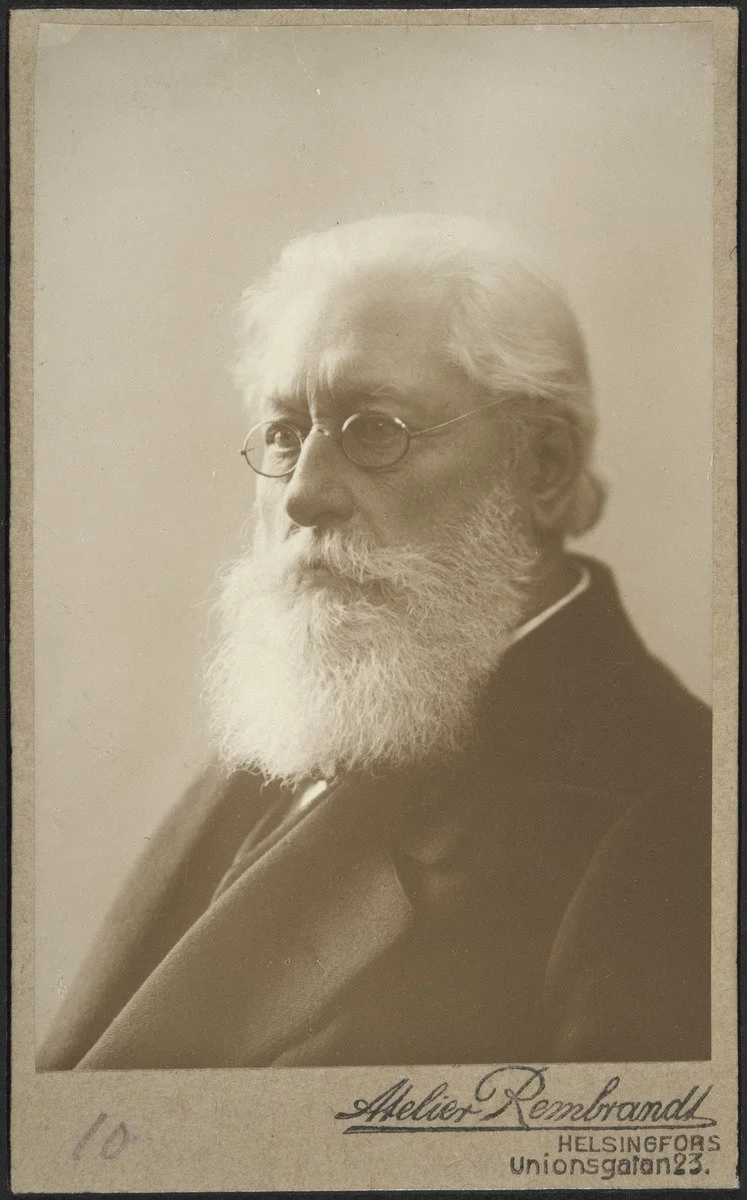
The L-shaped log schoolhouse, the caretaker's house and the outbuilding (all 1896), the 1938 sauna, the 1977 lodging building by Doris Pettersson, and the 1993 chapel by Slotte & Shütz. Waldemar Aspelin (1854–1923) — one of the architects behind the look of late 19th-century Helsinki — shaped what still stands at the heart of the island today.